10 Air Conditioning Myths That Are Costing You Money
There’s no shortage of advice when it comes to keeping your home cool, but not all of it holds up. In fact, some of the most commonly shared “energy-saving tips” could be costing you more money and comfort than you realize. That’s why the experts here at Air Dynamics HVAC are setting the record straight.
As summer temperatures climb, many of us rely heavily on our air conditioners. But even after decades of use, air conditioning myths continue to circulate, leading homeowners to make choices that waste energy and strain their systems. From turning the thermostat temperature way down to closing vents in unused rooms, these habits might feel right, but often do more harm than good.
In this article, we’ll bust 10 of the most common AC myths and reveal the facts that will help you stay cool, save money, and get the most from your system this summer. Let’s clear up the confusion and help you beat the heat smarter, not harder.
Myth #1 – To Cool Your Home Faster Turn the A/C Temperature All The Way Down
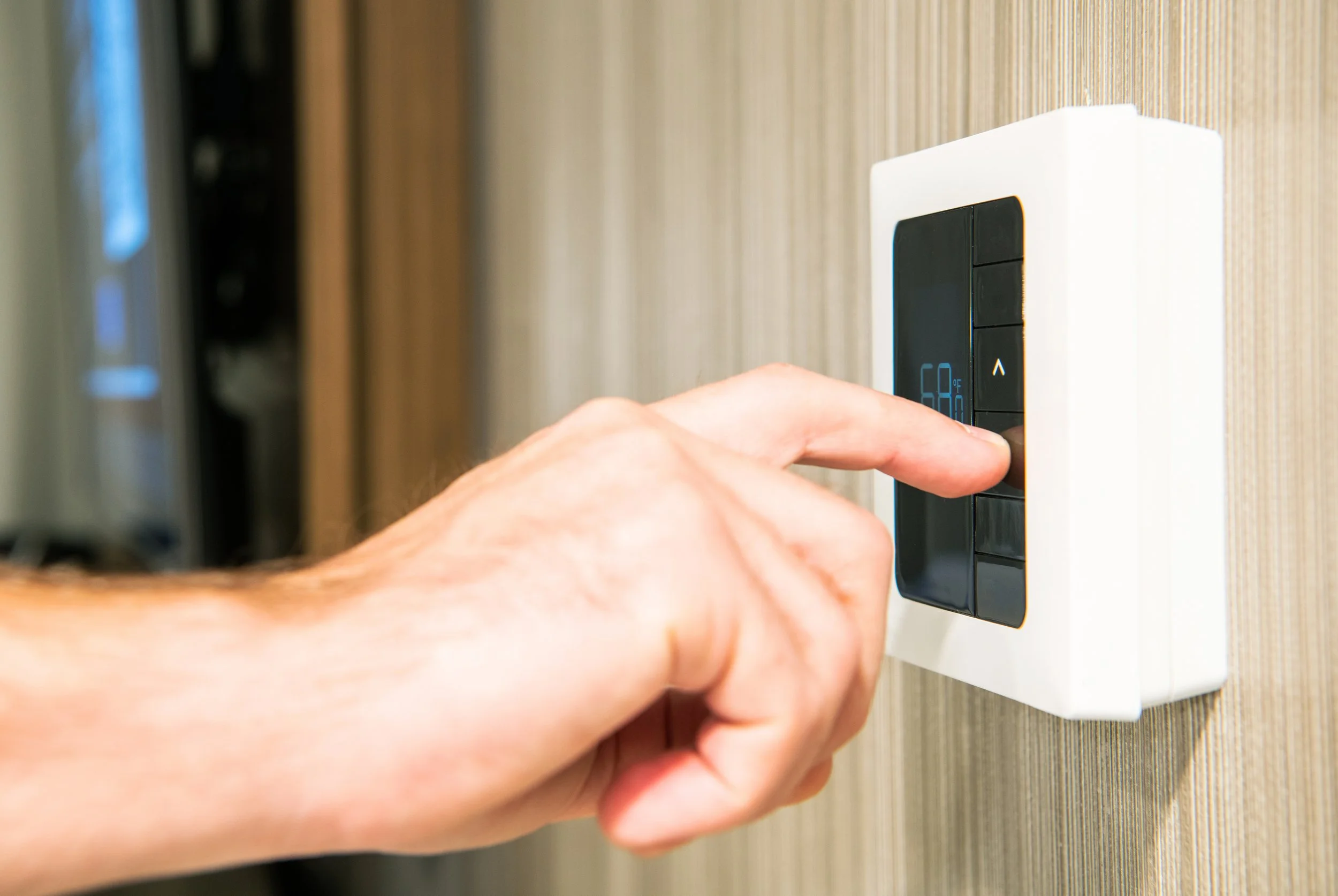
Fact: Turning your thermostat way down won’t cool your home any faster. Many homeowners believe that setting the temperature to the lowest possible setting will speed things up, but that’s a common misconception. Your HVAC system cools at a steady rate, no matter how low you set the thermostat. So whether you lower it by 2 degrees or 10, it’s going to take the same amount of time to reach a comfortable temperature. Setting your thermostat lower than necessary just makes your system run longer, using more energy and driving up your utility bill—without making you feel any cooler in the process.
Instead, set your thermostat to your actual comfort level and be patient as your system does its job. Even better, consider upgrading to a programmable or smart thermostat, which lets you automatically adjust your home’s temperature based on your schedule, preferences, and even the weather outside.
Remember: The closer your indoor temperature is to the outdoor temperature, the more energy you’ll save. Making small adjustments to how you use your system can lead to noticeable savings on your energy bill over time.
Myth #2 – Your A/C Unit Won’t Have To Work As Hard If You Turn The Ceiling Fan On
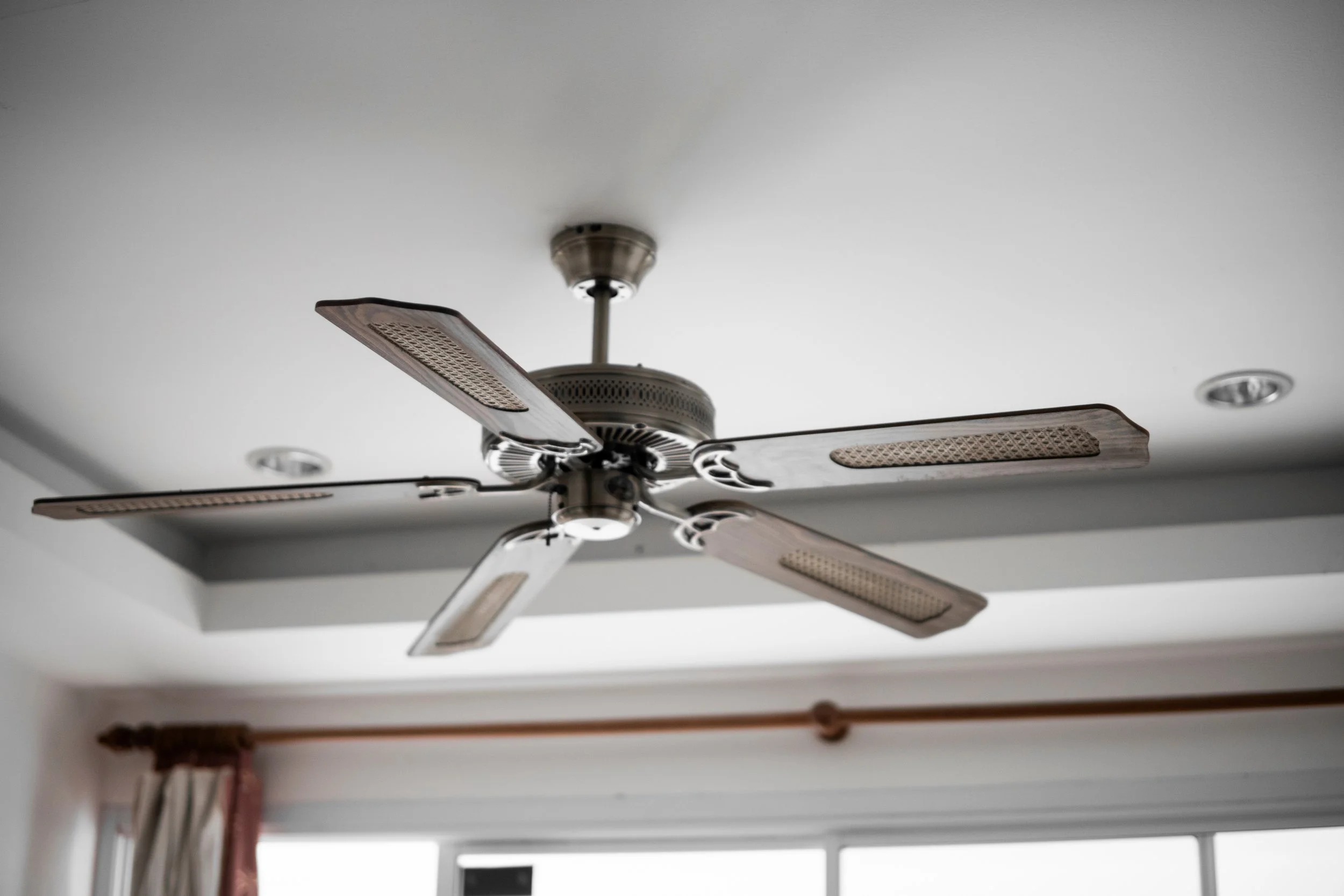
Fact: Many people assume that ceiling fans help cool down a room, but in reality, fans are designed to cool people, not the room/space itself. Fans create a wind-chill effect by circulating the air in the room, which helps your body feel cooler through increased evaporation of sweat and air movement across your skin.
While this can make the room feel more comfortable when you're in it, the fan isn’t actually lowering the room’s temperature. Therefore, running the fan in an empty room is simply wasting electricity without providing any real benefit. Which is why we always recommend turning off ceiling fans when you leave a room—it’s an easy way to save energy and reduce your utility bills without affecting your comfort.
Remember, using fans strategically, along with your HVAC system, can help you stay cool and save money—but only when someone’s there to enjoy the breeze.
Myth #3 – You Should Close Any Vents In Unused Rooms
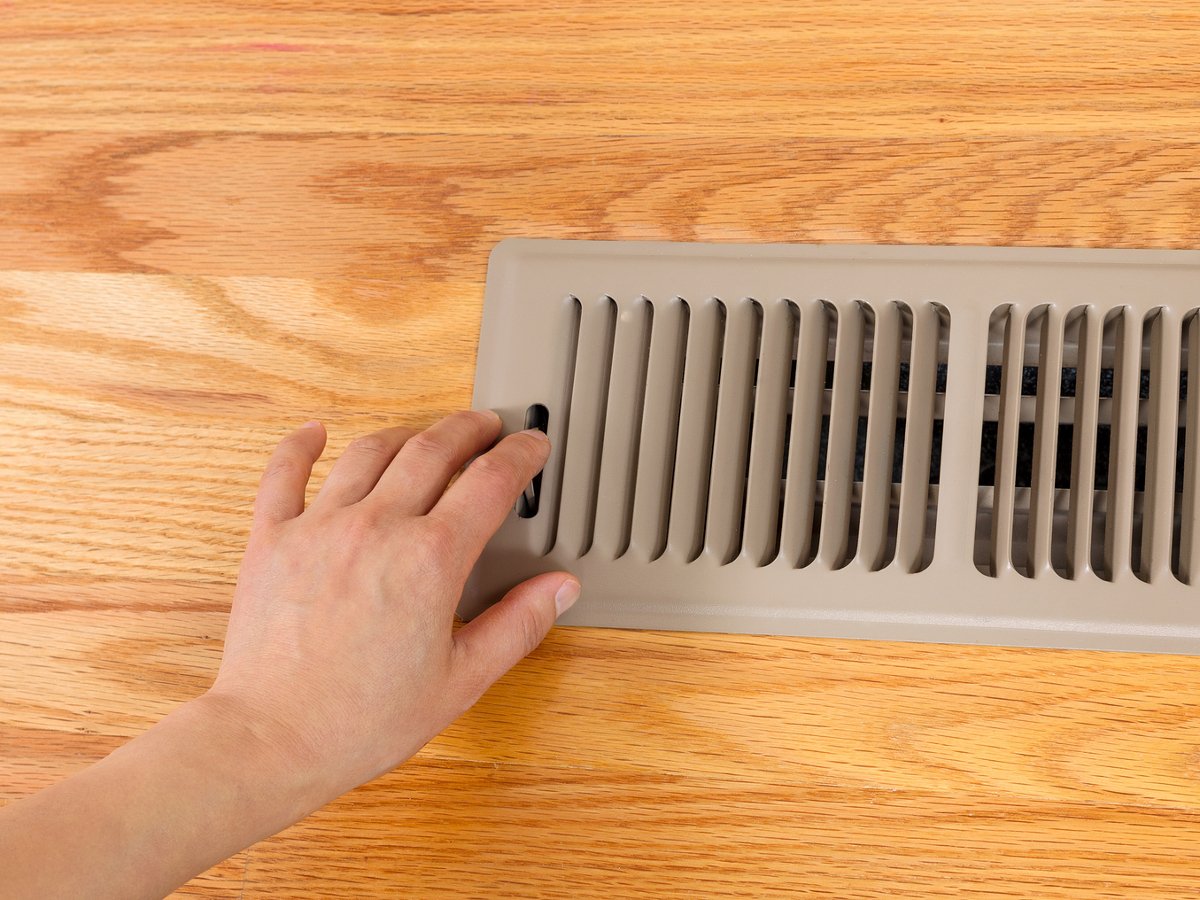
Fact: While closing vents in unused rooms might seem like a smart way to save energy, it can actually have the opposite effect. Blocking vents throws off your home’s airflow balance, increases pressure in the ductwork, and makes your HVAC system work harder than necessary. The air you're trying to block doesn’t vanish—it gets redirected elsewhere in the system, often leading to greater energy waste and potential strain on your equipment.
Myth #4 – Turning Your A/C Off When You’re Not Home Will Save You Money

Fact: Turning off your A/C completely can help if you'll be away for several days. But on a hot summer day, shutting it off while you're at work forces your system to work much harder to cool your home when you return. Instead, we recommend using a programmable thermostat or simply raising the temperature by 7 to 10 degrees while you're away rather than turning it off.
Raising the thermostat is a smarter choice because it:
Prevents mold and pests – Shutting off your A/C can lead to high humidity, which creates the perfect environment for mold and insects.
Saves energy and money – Increasing the temperature by 7–10°F for 8 hours a day can save as much as 10% on your annual heating and cooling costs.
Maintains comfort – Keeping your A/C running at a regular setting helps control humidity, so your home stays more comfortable.
Myth #5 – It’s Cheaper To Leave Your Thermostat At The Same Temperature All Day
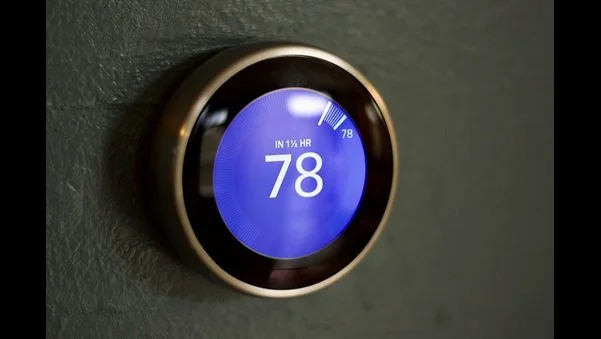
Fact: This is one of the most common misconceptions about air conditioning. Many homeowners keep their thermostat at the same temperature all day, believing it uses more energy to turn the AC on and off than to let it run continuously. In reality, this habit leads to unnecessary energy waste, especially when no one is home or you're away for an extended period of time.
Instead, we recommend installing a programmable or smart thermostat in your home. This will help to automate your temperature controls so that you’re not wasting energy when you’re typically out. Allowing you to set your ideal “home” and “away” temperatures so your system runs less frequently when you’re away from home but is ready at your ideal temperature for when you return.
Want to save even more? Ensure your fan is set to auto, not on, and be sure to keep your space well-insulated to prevent cool air from escaping. Consider closing windows while you're out to keep humidity from sneaking back in, and draw the curtains to block out heat during the hottest parts of the day so you can come home to a refreshingly cool room.
Myth #6 – HVAC Filters Should Be Replaced Once A Year
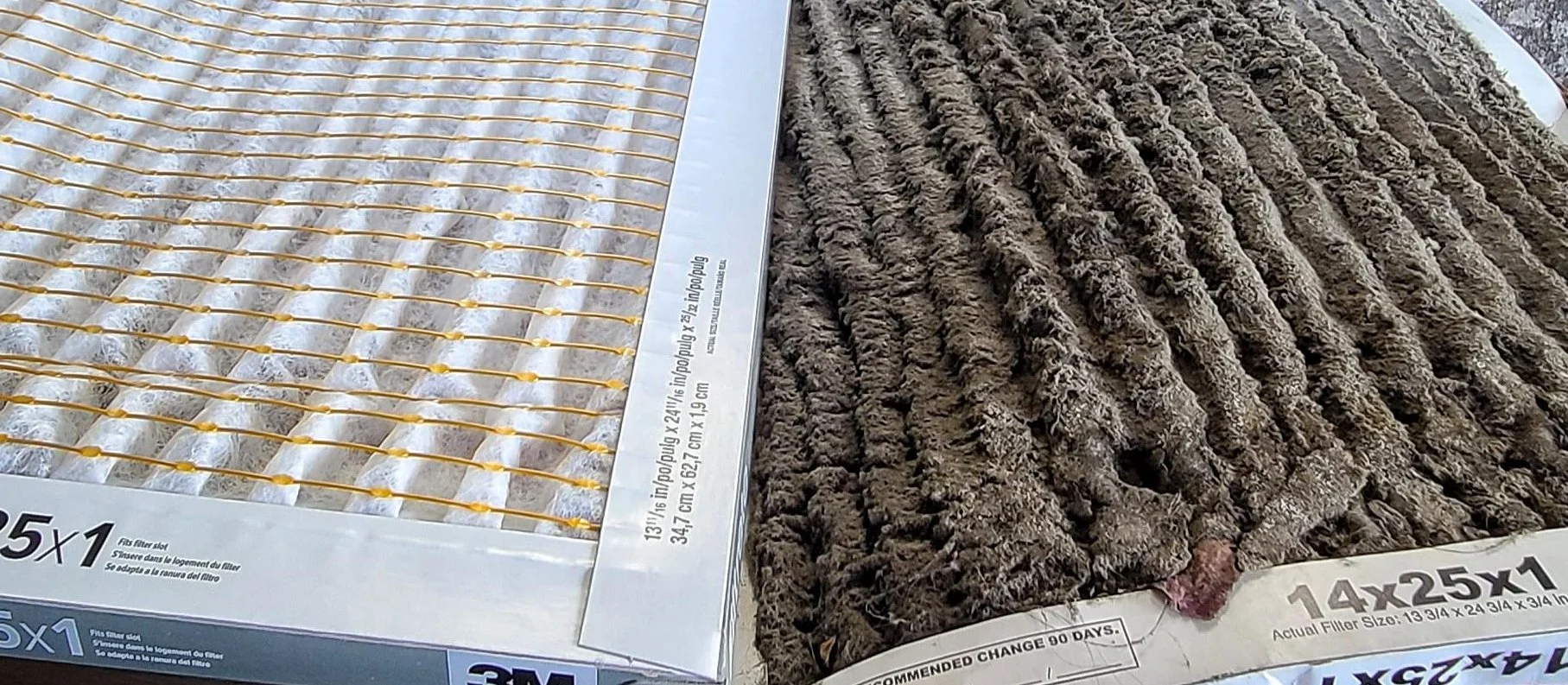
Fact: Your unit’s air filters will accumulate dust, dander, mold, and other dirt particles. A dirty, clogged filter doesn’t just affect your home’s air quality; it also causes unnecessary strain on your system and an increased likelihood of an unexpected breakdown. To help achieve better efficiency and extend the lifespan of your unit, we recommend changing your filter once every 2-3 months.
Air filters are a low-cost investment that can help you avoid expensive repairs down the line. Keeping them clean not only improves your home's air quality but also reduces strain on your HVAC system—leading to healthier indoor air and lower energy bills over time.
Myth #7 – A/C Running Costs Are All The Same
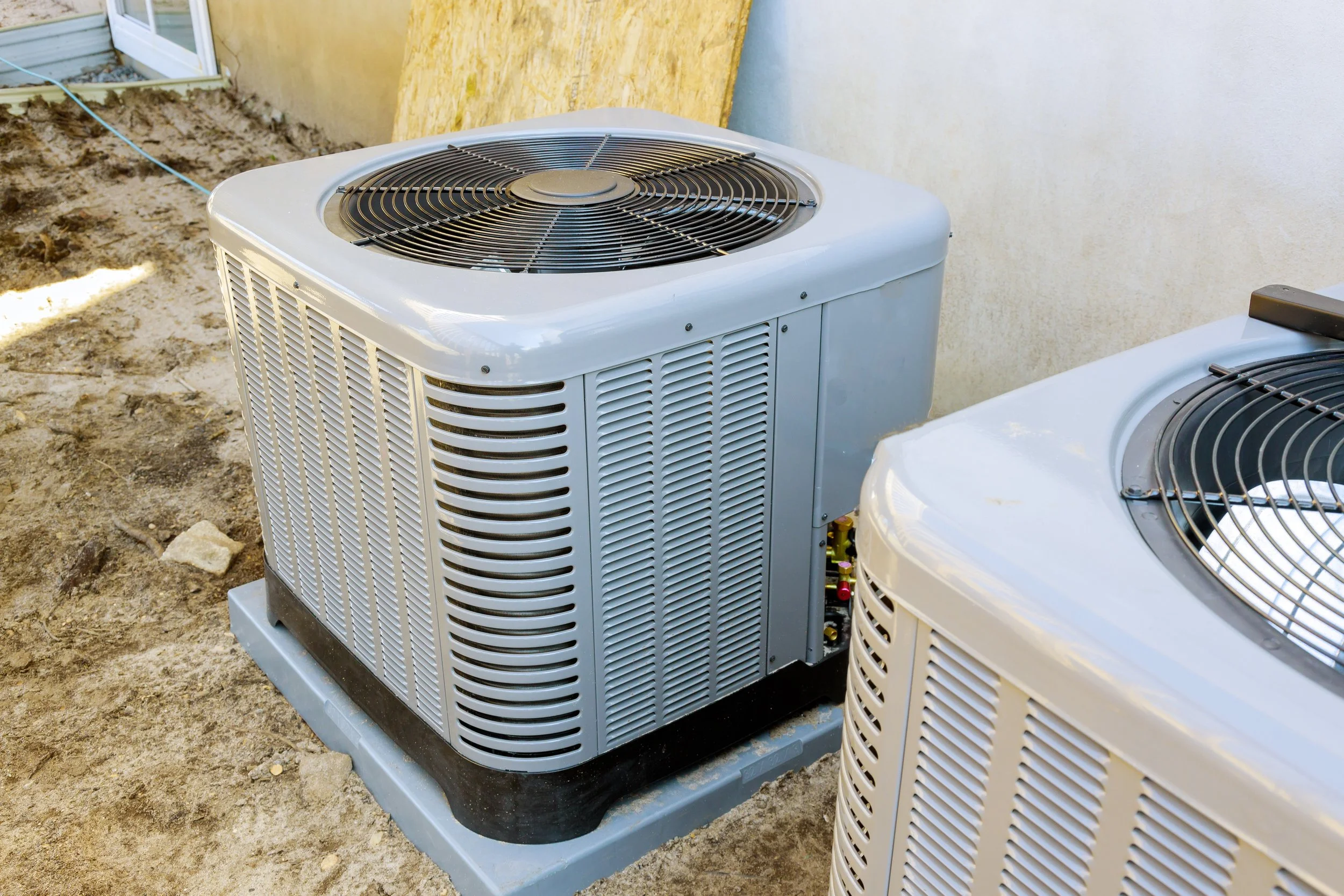
Fact: Central AC running costs aren’t the same for every home, this is because there are many factors that can affect how much energy your system uses to keep your space cool. One major factor to consider is the efficiency rating of your unit, also known as the SEER (Seasonal Energy Efficiency Ratio) rating. Higher SEER-rated systems use less electricity to produce the same amount of cooling as older, less efficient models. The size of your AC unit and whether it’s properly matched to your home’s size and layout also play a big role. An oversized or undersized system will cycle on and off too frequently or run constantly, wasting energy and driving up energy costs.
Myth #8 – A/C Maintenance Is A Waste Of Money
Fact: A neglected or broken AC unit won’t run efficiently, and that can cost you comfort and cash. To keep your system performing at its best, regular cleaning and maintenance are key.
Your AC needs airflow to function properly, and a buildup of dirt or debris can restrict it. Causing your system to work harder than it needs to. Regular tune-ups help to keep your system running smoothly and can catch small issues early on before they turn into big (and expensive) problems later.
Putting off regular AC maintenance doesn’t just wear down your system—it can hit your wallet hard, too. When your air conditioner has to work harder than it should, it uses more energy, driving up your monthly bills. Neglecting regular maintenance can also leave you more vulnerable to sudden breakdowns that often turn into costly emergency repairs, especially on weekends or after hours.
Myth #9 – You Should Let Your Old A/C Unit Die Before Replacing It
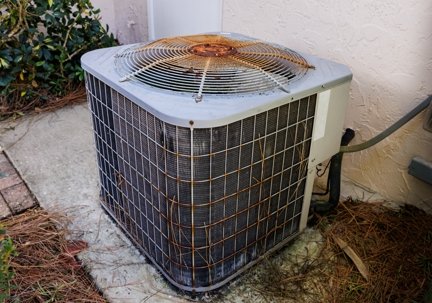
Fact: You’ve probably heard people say, “Run it until it dies.” While that might work for cars, it’s not the best approach for your air conditioner.
Waiting for your AC to completely break down before replacing it can actually cost you more in the long run. Older systems often run inefficiently, driving up your energy bills month after month. Plus, they’re more prone to frequent and costly repairs.
By replacing your aging unit before it fails, you can enjoy:
Lower energy bills
Improved comfort and air quality
Fewer emergency breakdowns
Peace of mind during extreme heat
Don’t wait for a total system failure—investing in a new, energy-efficient AC now can save you stress, money, and sweaty afternoons later.
Myth #10 – A Bigger Unit Is Always Better
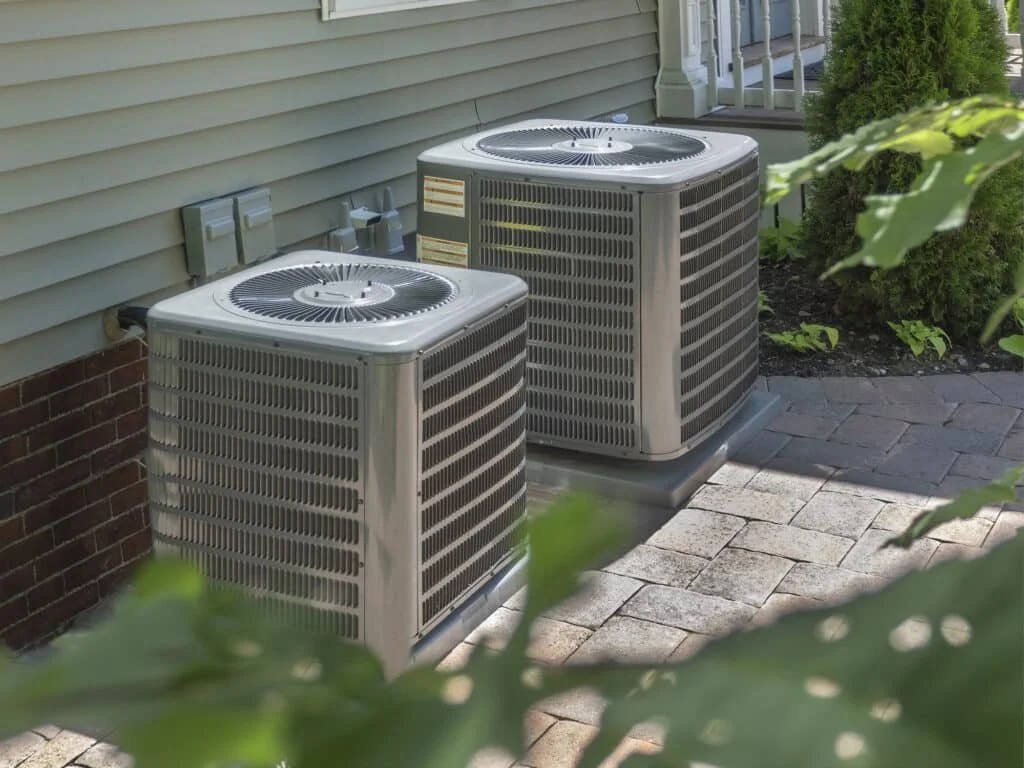
Fact: It’s a common misconception that a larger air conditioner will cool your home faster and more efficiently. In reality, an oversized unit can do more harm than good. When your AC is too big for your home's needs, it will cool the area quickly, but shut off before it has had a chance to properly remove the humidity in your home. This leads to short cycling, which causes your system to turn on and off frequently. Wasting energy and increasing wear and tear on your unit. Worst of all, you’re still left feeling sticky and uncomfortable at home.
What happens if your unit is too small? Well, that’s a problem too. An undersized air conditioner will run nonstop trying to cool your home. This will also drive up your energy costs while still falling short on keeping your home cool and comfortable.
The solution? Getting the right size AC for your home. Proper sizing takes into account the square footage, insulation, sun exposure, and even the layout of your space. The right fit ensures efficient cooling, balanced humidity, longer system life, and lower energy bills. If you’re looking into an air conditioner replacement, reach out to a professional at Air Dynamics HVAC for a free estimate. Our experts can help determine the correct air conditioner size appropriate to your home and needs.