6 Essential HVAC Inspection Tips for Home Buyers: What to Check Before You Buy
6 HVAC Inspection Tips Every Home Buyer Should Know
Buying a new home is an exciting milestone, whether you're searching for your first place or finding the perfect home for your family. But amidst all the excitement, it’s important to stay practical and thoroughly inspect every aspect of the house, including the HVAC system.
Your home's heating, ventilation, and air conditioning (HVAC) system plays a crucial role in indoor comfort and air quality. A well-functioning system ensures consistent temperatures, energy efficiency, and healthy airflow throughout your home
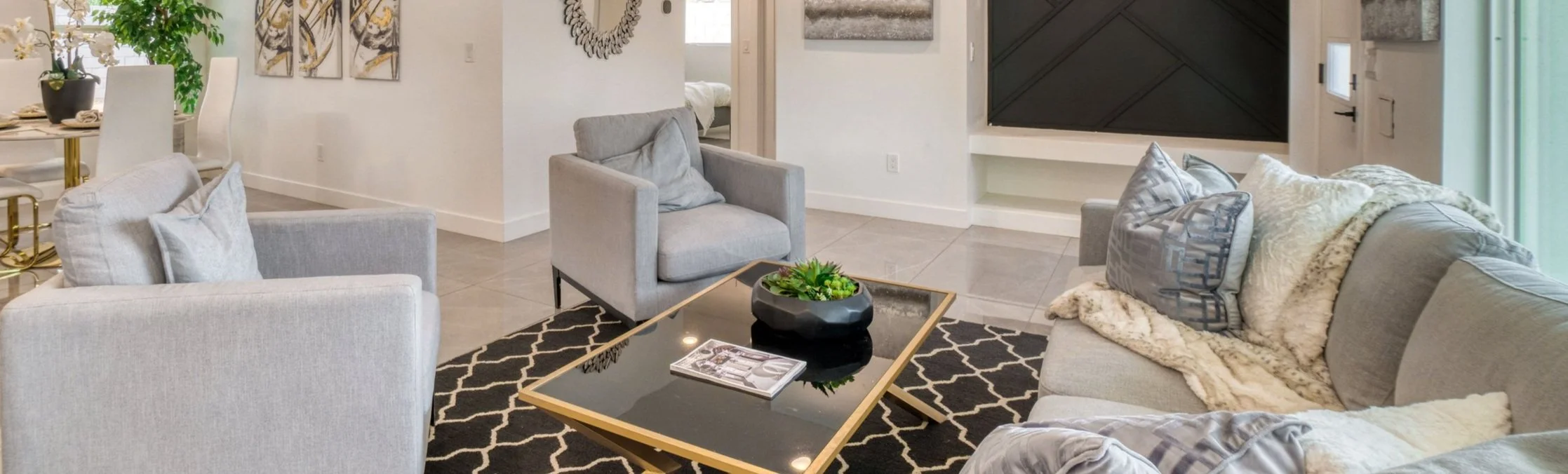
Pay Attention to the Comfort Level in Each Room

The comfort level in each room can be a key indicator of how well the HVAC system is performing. In a properly ventilated home with no drafts or leaks, the heating and cooling systems should work efficiently to maintain consistent comfort throughout.
However, if some rooms feel stuffy, too hot, or too cold, it could signal an HVAC issue. Identifying the problem early can help prevent unexpected repairs later.
2. Ask When The HVAC System WAS Last Upgraded
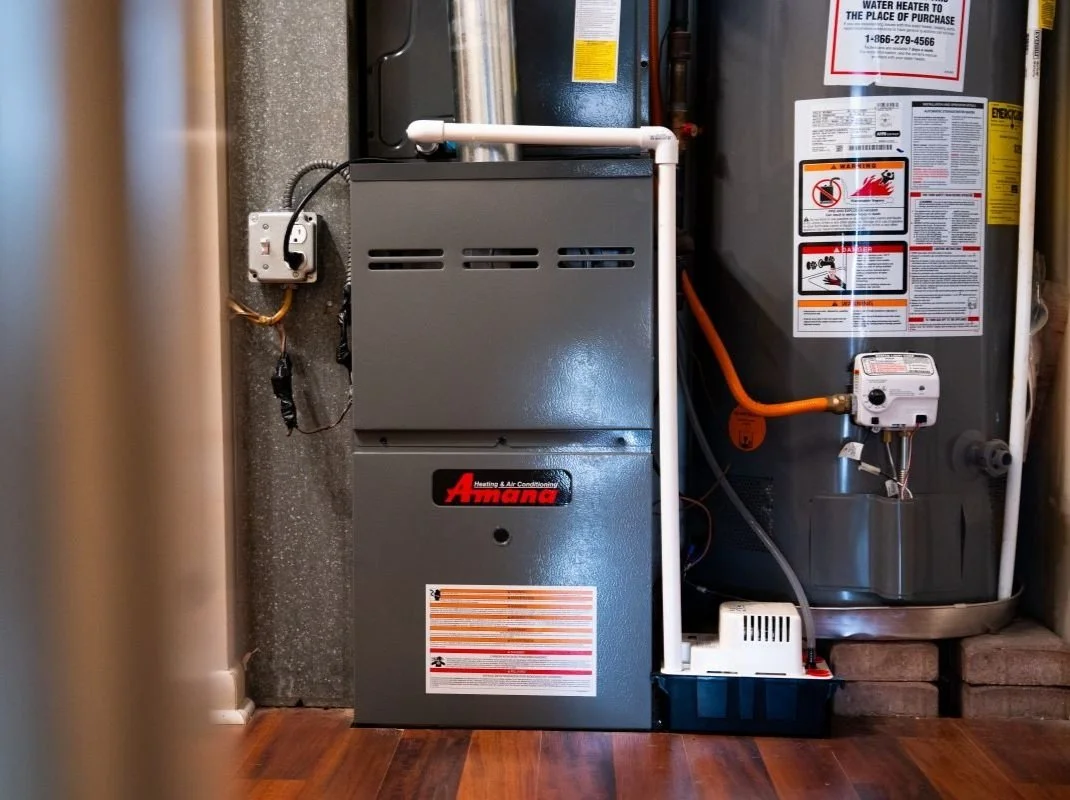
Understanding the age and condition of a home’s HVAC system is an important part of the buying process. HVAC technology continues to evolve, offering better energy efficiency, comfort, and reliability over older systems. Knowing when the system was installed or last upgraded can help you anticipate future costs. If the HVAC system is more than 10 years old, it may be nearing the end of its lifespan and could require frequent repairs or replacement in the coming years.
Replacing an HVAC system can be a significant investment, which is why we recommend home buyers factor this expense into their overall budget. An aging system may even provide an opportunity to negotiate the purchase price. If, however, the home is already priced competitively, investing in a new HVAC system may still be a smart move.
3. Ask When The HVAC System Was Last Serviced
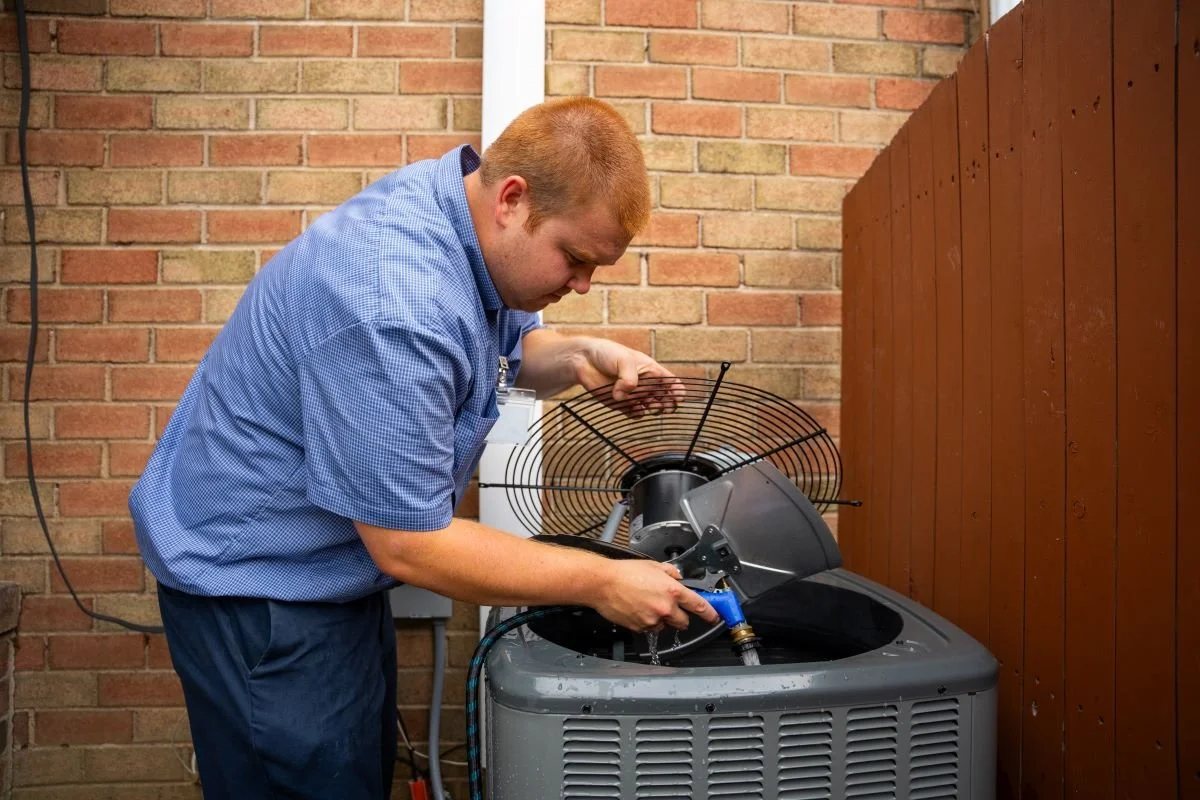
Regular HVAC maintenance is one of the best ways a homeowner can protect their comfort and their investment. Over time, dust, dirt, and debris naturally build up inside your heating and cooling system. This can result in restricted airflow, forcing your HVAC system to work harder than necessary to maintain your desired temperature. Knowing when the HVAC system in the home was last serviced will help you stay on top of routine maintenance and avoid unexpected breakdowns.
Simply put, a well-maintained HVAC system combined with regular filter changes will run more smoothly, help reduce wear and tear, and ultimately extend the overall lifespan of your unit.
4. Check The Physical Condition Of The HVAC System
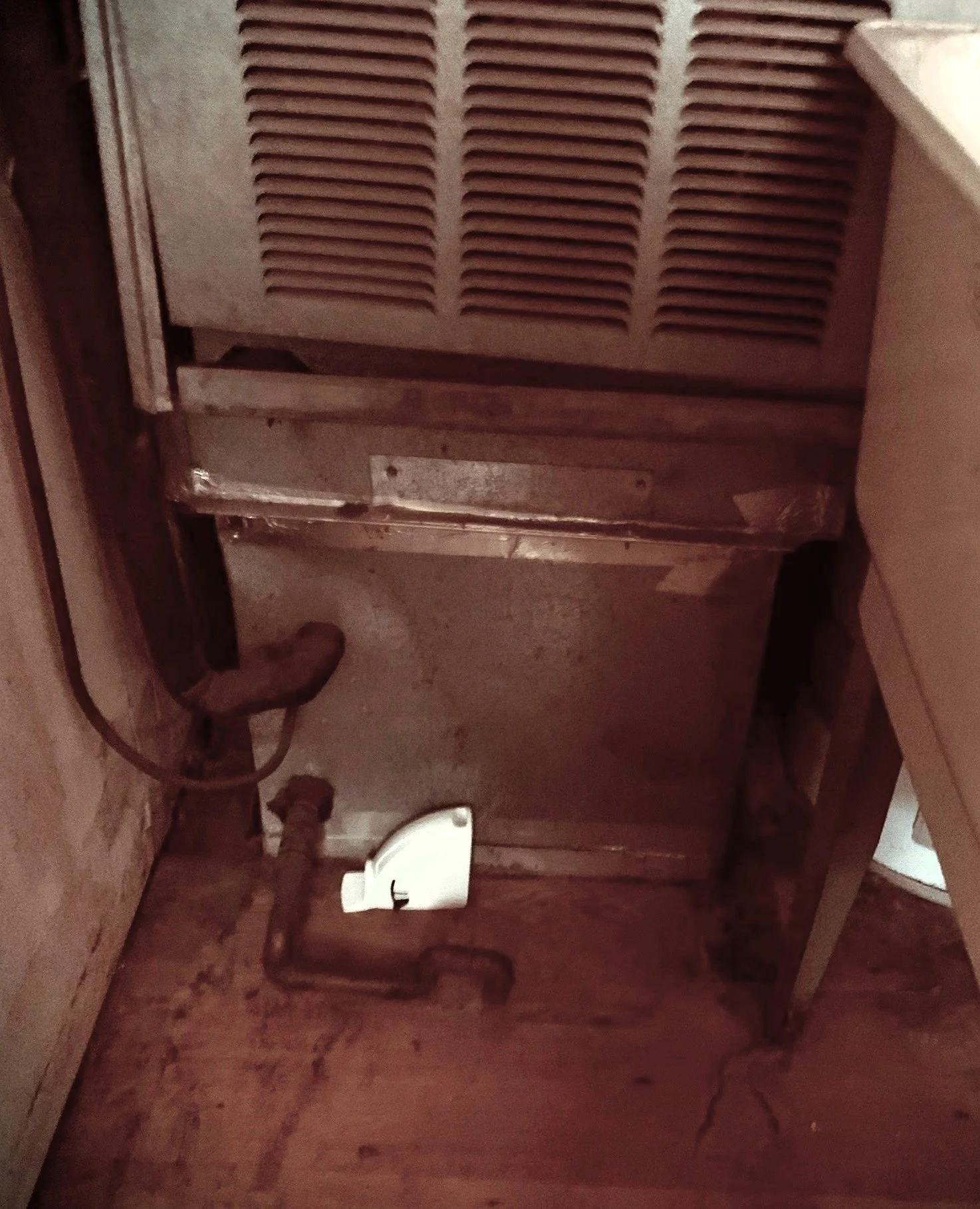
HVAC systems are often tucked away in parts of the home that don’t get much attention during a realtor’s tour. You might find them in a corner of the basement, a utility room, the attic, or another out-of-the-way space that’s easy to miss. Even though they’re not always visible, the condition of the HVAC system is an important detail for any homebuyer to consider. If you’re seriously thinking about purchasing a home, it is wise to take a few extra minutes to check the HVAC system’s overall condition.
Don’t forget to check both indoor and outdoor units; keep an eye out for signs of wear, like rust, leaks, cracks, dents, or other visible damage. While the system is running, listen for unusual sounds, such as rattling or hissing, which could point to hidden issues.
5. Assess The Energy Efficiency Of The HVAC System
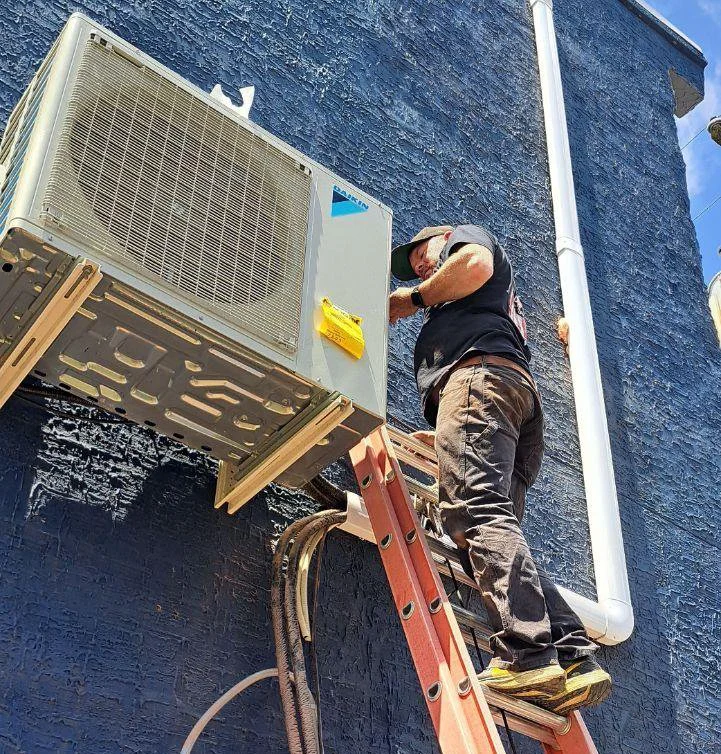
Different makes and models of heating and air conditioning systems vary in energy efficiency. Most systems include a yellow energy label that shows their efficiency rating and estimated operating costs.
Be sure to review this label on your HVAC equipment so you understand how efficiently it runs. If you’re unsure what the rating means, our qualified HVAC professionals at Air Dynamics HVAC can help explain it and guide you in making the best decision for your home.
6. Ask What Kind Of Refrigerant The HVAC System Uses
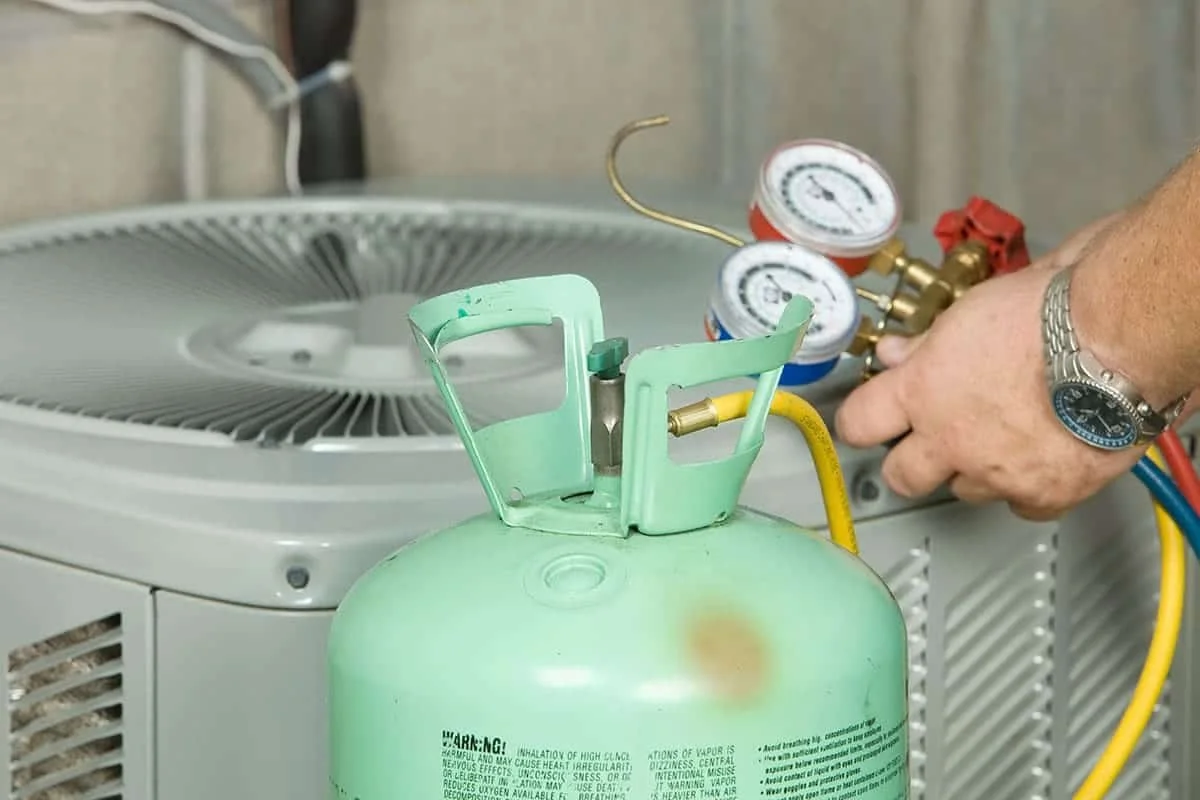
Many older homes still have HVAC systems that use R-22 refrigerant, which has been banned by the Environmental Protection Agency (EPA). If the HVAC system requires R-22, repairs or refrigerant recharges can become increasingly expensive and difficult because supplies are limited. Before purchasing a home, it's worth finding out which type of refrigerant the HVAC system uses so you know what to expect.
If you're unsure how to evaluate a home's heating and cooling system, consider having it inspected by a licensed HVAC professional. An inspection from Air Dynamics HVAC can provide valuable insight into the system's overall condition, efficiency, expected lifespan, and any potential issues that may not be obvious during a standard home inspection.
When buying a home, comfort is just as important as the purchase price. Your HVAC system has a direct impact on energy efficiency, monthly utility costs, and year-round comfort. Because replacing a heating and cooling system can be a major expense, understanding its condition before you buy can help you avoid unexpected repairs and make a more informed investment.